
Cultivating Growth: How Biophilic Design Elevates Small Business Strategy
Small business leaders often seek innovative approaches to enhance operational excellence and foster a thriving company culture. Optimizing the physical workspace, particularly through the integration of natural elements, presents a powerful yet often overlooked strategic advantage. This article explores how embracing biophilic design principles can significantly impact employee well-being, productivity, and long-term talent retention.
Moving beyond mere aesthetics, a nature-infused office environment can serve as a catalyst for strategic growth and sustained business scaling. Understanding the tangible benefits allows founders and management teams to invest in workspaces that truly reflect their commitment to both their people and their bottom line. It’s about creating an environment where employees naturally perform at their best.
Beyond Aesthetics: The Strategic Advantage of Biophilic Design
Major corporations like Amazon and Microsoft have extensively incorporated natural elements, from indoor treehouses to outdoor meeting spaces, into their headquarters. These initiatives are not mere luxuries but strategic investments aimed at fostering innovation and employee satisfaction. Small business owners can adopt similar principles to cultivate a more engaging and productive environment without extensive capital expenditure.
The benefits of bringing nature into workspaces are well-documented by academic research. Studies indicate that indoor plants can reduce sick days, alleviate stress, and even improve air quality by removing harmful compounds. These improvements translate directly into enhanced operational efficiency and a healthier workforce for any small business.
Demystifying Productivity: The Science Behind Nature in the Office
Traditional "lean spaces," characterized by minimal decor and stark environments, were once believed to maximize focus. However, research by Dr. Craig Knight at the University of Exeter reveals this approach is counterproductive and toxic. He posits that no animal thrives in a lean space, and humans are no exception, requiring environmental enrichment.
In a groundbreaking experiment, simply introducing plants worth £10,000 into a previously lean office boosted employee productivity by approximately 15%. This compelling data underscores the profound impact of biophilic design on business performance and team communication. When employees feel better in their surroundings, they inherently perform better.
Cultivating Culture and Retention: More Than Just Decor
An enriched workspace signals to employees that their well-being is a priority, directly impacting talent retention and company culture. Moneypenny, a UK-based switchboard services company, exemplified this by surveying staff about their ideal office, resulting in a £15 million development featuring abundant plants, natural ventilation, and outdoor nature trails. This strategic investment led to better attendance records and a calmer working environment.
Allowing employees agency in shaping their workspace, as suggested by Dr. Knight, further enhances engagement and job satisfaction. This approach moves beyond a paternalistic management style, fostering an environment where individuals feel empowered and connected to their physical surroundings. Such leadership development practices cultivate a sense of ownership among the team.
Tactical Implementation for Small Businesses
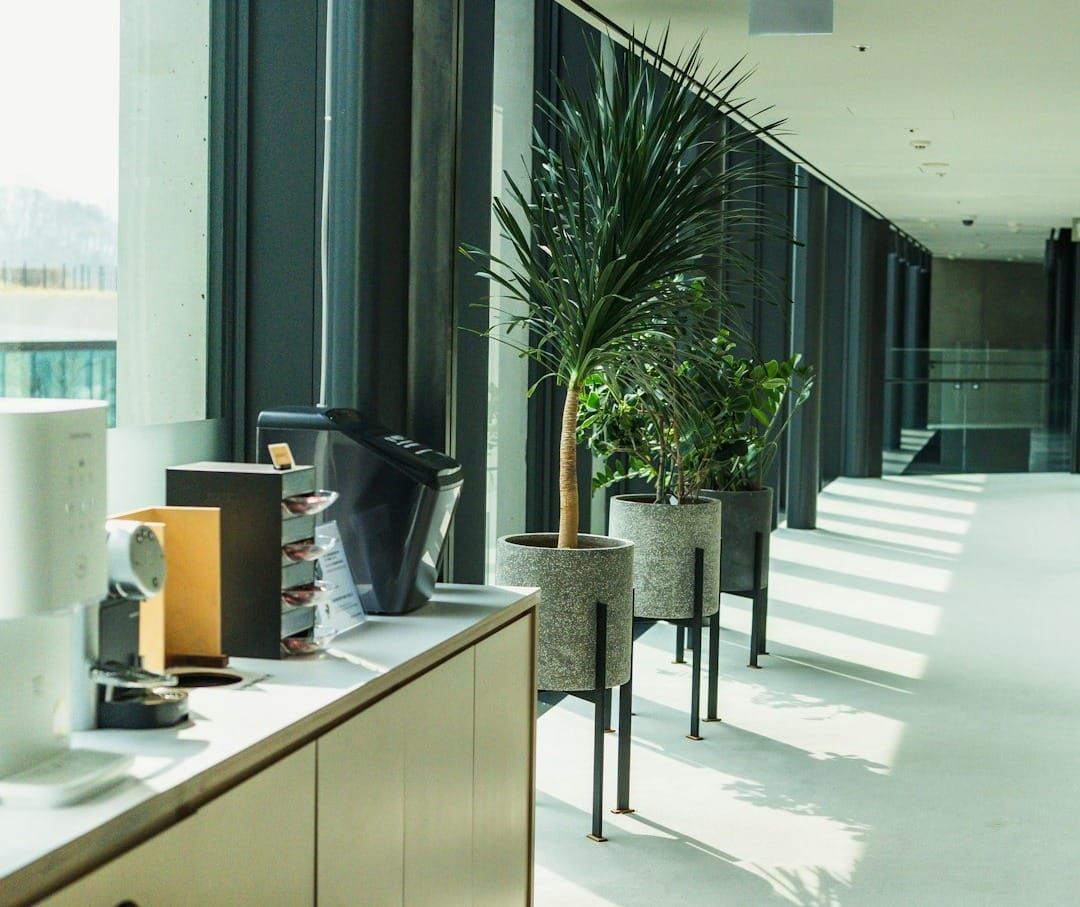
- Integrate Living Plants: Even a few thoughtfully placed plants can make a significant difference in mood and air quality. Consider low-maintenance options to avoid the "dead wall" issue observed by office designers like Steve Taylor.
- Maximize Natural Light: Prioritize natural light sources and clear window views, which connect employees to the outside world. This simple change is a powerful element of workplace innovation and employee engagement.
- Create Biophilic Zones: Designate specific areas, even small ones, for relaxation or focused work that incorporate natural textures, materials, or views. This can be a quiet corner with a plant and comfortable seating for team communication or individual reflection.
- Embrace Outdoor Spaces: If available, utilize patios, rooftops, or small gardens for breaks, informal meetings, or even a community vegetable patch. These spaces reinforce sustainable business practices and boost morale, offering an alternative to traditional meeting rooms for brainstorming sessions or marketing strategy discussions.
- Consider Sound and Texture: Plants also offer practical benefits such as sound absorption, contributing to a quieter, calmer atmosphere. Integrating natural materials like wood or stone can further enhance the sensory experience of the office environment, supporting overall employee well-being.
Empowering Employees: A Key to Optimal Workspace Design
While introducing plants and natural light offers immediate benefits, the most impactful small business strategy involves empowering employees in the design process. Soliciting feedback and allowing teams to personalize their immediate surroundings fosters a deeper connection to the workspace. This approach encourages greater employee engagement and ownership.
Ultimately, transforming your office into a nature-enhanced environment is a strategic move that goes beyond mere decoration. It is an investment in your team's health and productivity, your company culture, and your business's capacity for long-term strategic growth. By thinking like enterprise executives and prioritizing human-centric design, small businesses can build resilient brands and achieve meaningful success.
Subscribe and tune in for new episodes of Big Talk About Small Business with Mark Zweig and Eric Howerton. Each week we focus on practical insights and real-world strategies to grow your business!
Member discussion: